
Cabinet Buying in Baltimore, MD
Put your cabinet priorities on paper before comparing product offers.
Send my cabinet inquiry
Or call (562) 203-3232. Calls only, we do not receive text messages.
A cabinet order becomes easier to compare when every seller sees the same room, product list and unfinished questions. Baltimore Cabinet Ledger helps Baltimore buyers organize that information before seeking a possible supplier quote. Start with cabinet dimensions, appliance specifications and the entrance the boxes must pass through, rather than choosing a door style against an uncertain layout.
- Independent buying guidance
- Product inquiries
- Seller availability confirmed separately
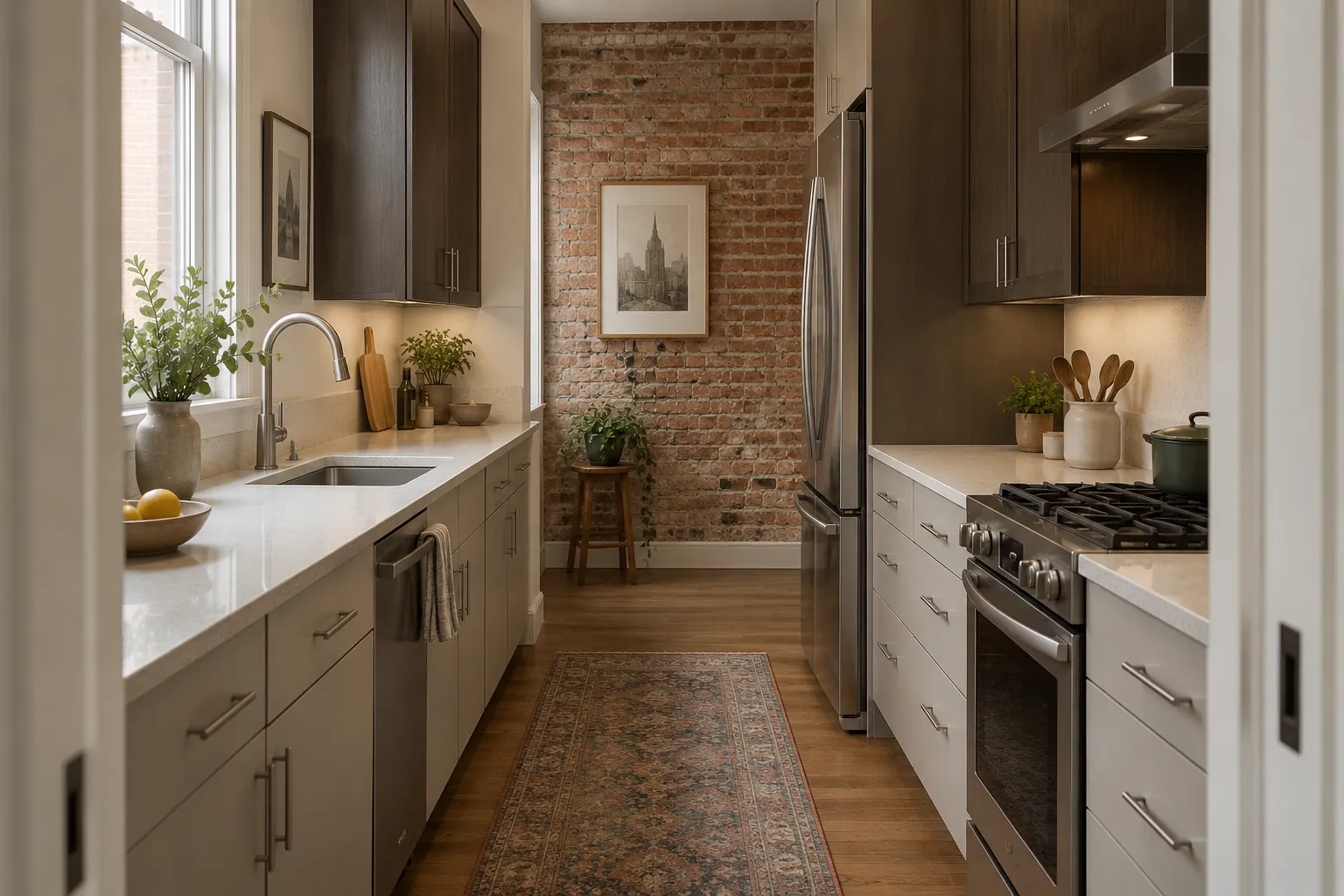
Cabinet product illustrations
Illustrative product visualizations, not completed work, local properties or supplier facilities.
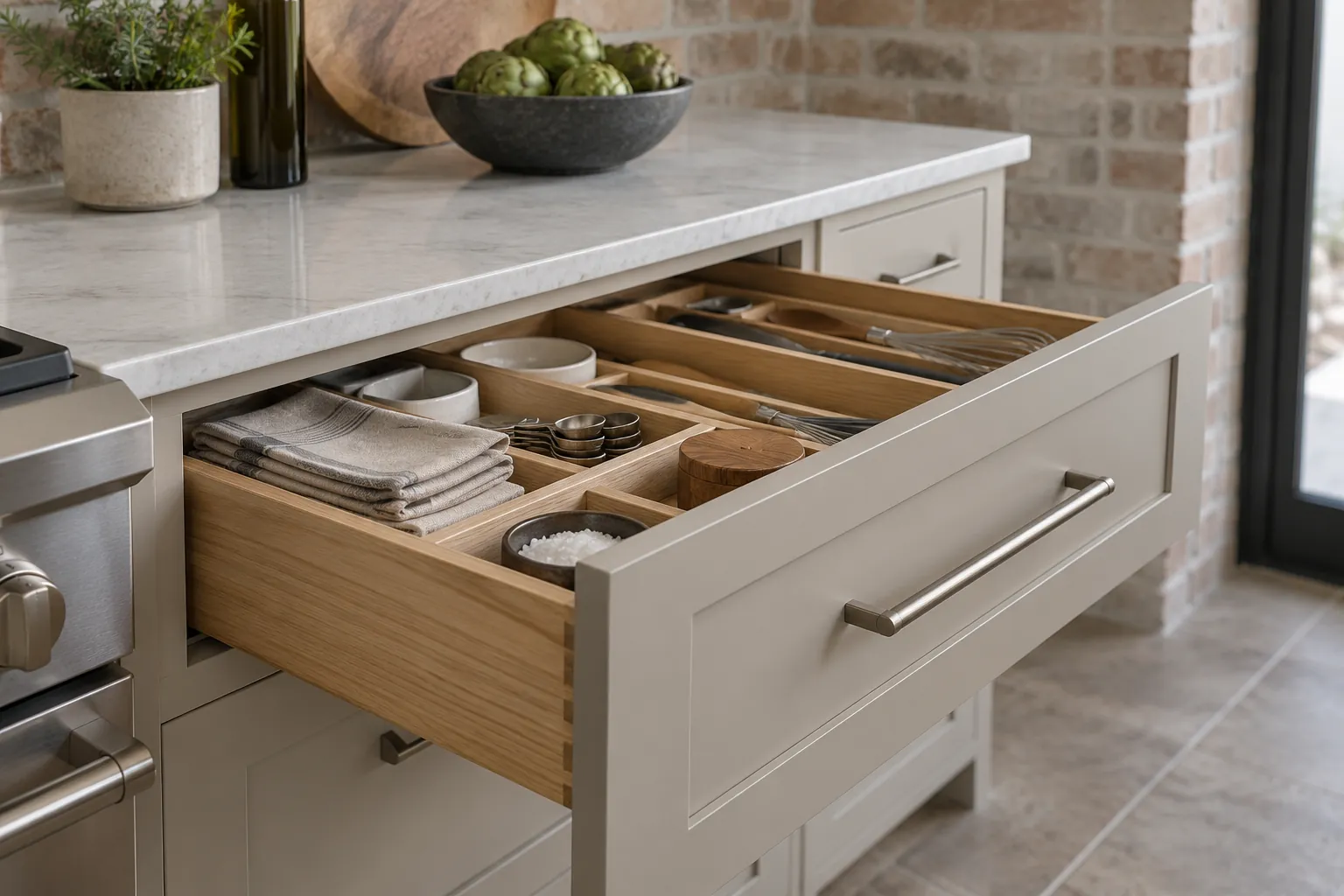

Prepare the purchase before choosing a supplier
This is an independent buying information and inquiry service, not a stocked store or installation company. You can explore product choices, prepare a room brief and request a possible referral. Any accepting seller must confirm its own product availability, project address, price and delivery terms; measurement, installation and other construction responsibilities need separate agreement.
About Baltimore Cabinet Ledger
Know who handles each part
Independent cabinet buying information and quote-request service. We do not manufacture, stock or install cabinets. A referral, supplier response, appointment or purchase is not guaranteed. Product availability, delivery and installation must be confirmed directly with the seller or separately engaged contractor.
Put the purchase decision on paper first
Write down what needs to change in the room before browsing finishes. Perhaps the present drawers cannot hold cookware, a refrigerator projects into the aisle, or the sink base has become inconvenient to use. Describe the problem in ordinary language and identify which parts of the existing arrangement could remain. That distinguishes a product replacement from a larger layout change and gives a prospective seller something more useful than a photograph of an attractive kitchen.
Next, decide who can verify the information. A room sketch supplied by an owner may be enough for an initial discussion, but it is not automatically an order drawing. Ask the seller who approves the final dimensions and who resolves a discrepancy between a sketch and the property. If a separately engaged contractor will do that work, include the contractor in the drawing review before a purchase commitment.
Record decisions as open, preferred or confirmed. A preferred white finish is different from an approved product code; an approximate opening is different from a verified appliance requirement. Keeping those distinctions visible prevents preliminary choices from silently becoming final instructions. Bring the drawing version, dated photographs and appliance model information together so that each person responds to the same packet instead of a different text message.
Read a room as a set of constraints
Measure the available wall runs and note where windows, doors, plumbing and fixed equipment interrupt them. Include ceiling height and the way room doors swing. A long blank line on a sketch can conceal a trim projection or an obstruction near the floor, so photographs should show corners and surrounding surfaces as well as the existing fronts. These are purchase preparation questions, not a substitute for a qualified field survey.
Consider movement as carefully as storage. An appliance door, a drawer and a room door may each operate comfortably on their own but compete for space when opened together. Discuss the desired everyday sequence: unloading groceries, washing produce, reaching a waste container and putting away dishes. Ask the person responsible for the final layout to review those tasks against actual openings and product specifications.
Baltimore city and Baltimore County require separate property identification in an inquiry. The Maryland Historical Trust describes rowhouses in the Canton Historic District, but that record does not establish the condition of your kitchen or any delivery route. For a rowhouse project, if applicable, document the passage into the room and available carton staging. For another building type, substitute its real constraints rather than relying on a general local housing description.
Compare price with a complete product schedule
A useful price comparison identifies the boxes, finish, door style and included components. Ask for a list that shows quantities and item codes rather than a single room total. Base units, wall units, tall storage, finished ends, fillers, trim and hardware should be identifiable. A less expensive offer may omit an item that another seller included, which changes the purchase decision even if both offers show a similar kitchen image.
Separate the product amount from assembly, delivery, pickup assistance and separately arranged labor. Ask whether taxes, special handling, replacement parts and any seller measurement service are included or excluded. This page does not set prices or represent a particular seller. The final written offer and its conditions determine what you would actually buy, and a revised drawing may require a revised quote.
Accessories deserve their own discussion. Compare a simple shelf arrangement with the storage feature you actually need, then ask about the compatible unit and its included fittings. A product description should also distinguish exterior finish from the finish on exposed ends and interiors. Record optional upgrades as alternatives, not assumptions, so that you can decide where they improve the room and where they only enlarge the total.
Choose assembly and receiving arrangements together
Ready to assemble products and assembled boxes create different handling questions. Before preferring either, compare package dimensions, complete unit dimensions, assembly instructions and the space available for work. An assembled tall unit may need a different passage assessment from several flat cartons. A flat package can still be awkward or heavy, and its convenient shape does not establish that every owner can assemble the product correctly.
Identify the person who receives the order and where it can be checked. Ask a prospective seller what the delivery service includes, whether it ends at a vehicle, curb, entrance or another agreed location, and what assistance the receiver must provide. Building managers may have their own rules for appointments or shared access. Those requirements are property specific and should be confirmed before choosing a delivery option.
Make storage part of the same decision. Plan a suitable protected location, access to labels and enough room to inspect the purchase according to the seller's instructions. Avoid scheduling dependent work from an unconfirmed arrival estimate. If an item is missing or damaged, the seller's reporting procedure, documentation requirements and remedy need to be understood before the order is placed, rather than improvised after the truck leaves.
Use an inquiry to clarify the next responsible party
A concise inquiry can name the project locality, room type, current planning stage and the product information already available. Attach or describe a cabinet schedule if one exists, and explain whether assembly, pickup or delivery is being considered. If the project is still exploratory, say so. A potential seller can then assess the request without mistaking a preliminary idea for an approved order ready for payment.
Do not treat a submitted form as a reservation, appointment or accepted service area. A suitable business may not accept the address, product request or timing. If a referral becomes available, review the seller's identity and scope directly. The cabinet supply contract may be separate from countertop, plumbing, electrical and installation contracts; each responsible business needs its own clearly stated obligations.
Before agreeing to purchase, read the final drawing and item list alongside payment, cancellation, return and written warranty information. Ask what happens if a preferred item becomes unavailable and whether a substitution needs your approval. Keep those answers with the accepted quote. That gives you a coherent record of what was requested, what changed and what was actually agreed, which is more useful than trying to reconstruct the purchase from scattered conversations.
Inquiry process
From buying questions to a possible supplier quote
Sending an inquiry does not reserve products or book work.
Describe the purchase
Include project ZIP, room, approximate cabinet list and preferred timing.
Clarify requirements
Identify assembly, access, measurements and any separately arranged labor.
Confirm referral availability
An inquiry can be referred only if a suitable seller accepts the location and product request.
Review seller terms
Confirm the final drawing, itemized price, payment, delivery and return terms directly before ordering.
Local buying information
Local inquiry guides
Questions
Questions Baltimore homeowners ask
Can I ask about products before final measurements exist?
Yes, describe the information as preliminary and identify which dimensions still need verification. A seller may be able to discuss possible options without accepting an order. Ask what information it requires before issuing a firm product schedule, and who must approve the final drawing. Do not assume an initial conversation transfers measurement responsibility.
Does this site sell the cabinets shown in illustrations?
No. Baltimore Cabinet Ledger provides independent buying information and a possible referral request channel. Illustrations communicate general product ideas rather than current inventory or completed work. Confirm the actual product line, finish sample, included hardware and item availability with an accepting seller before treating an image as a purchasing specification.
What should I send for a narrow entrance or stair route?
Describe the complete receiving route and include its relevant openings, turns and restrictions. Ask for the actual packaging and unit dimensions of the proposed order. Have the seller and responsible receiving or installation party determine whether the plan works; the width of a front door alone does not establish passage to the room.
Is a supplier referral guaranteed for my Baltimore address?
A referral is conditional on finding a business that accepts the location and request. City or county coverage mentioned as planning context is not a supplier service promise. Include the precise project locality and clarify products, timing and logistics so that acceptance can be discussed explicitly before you rely on a purchase arrangement.
Send my cabinet inquiry
Or call (562) 203-3232. Calls only, we do not receive text messages.
Talk to us about your project
Describe the purchase and project ZIP in Baltimore. Supplier acceptance and any referral are confirmed separately; no visit or quote is booked by this form.
Calls only, we do not receive text messages.